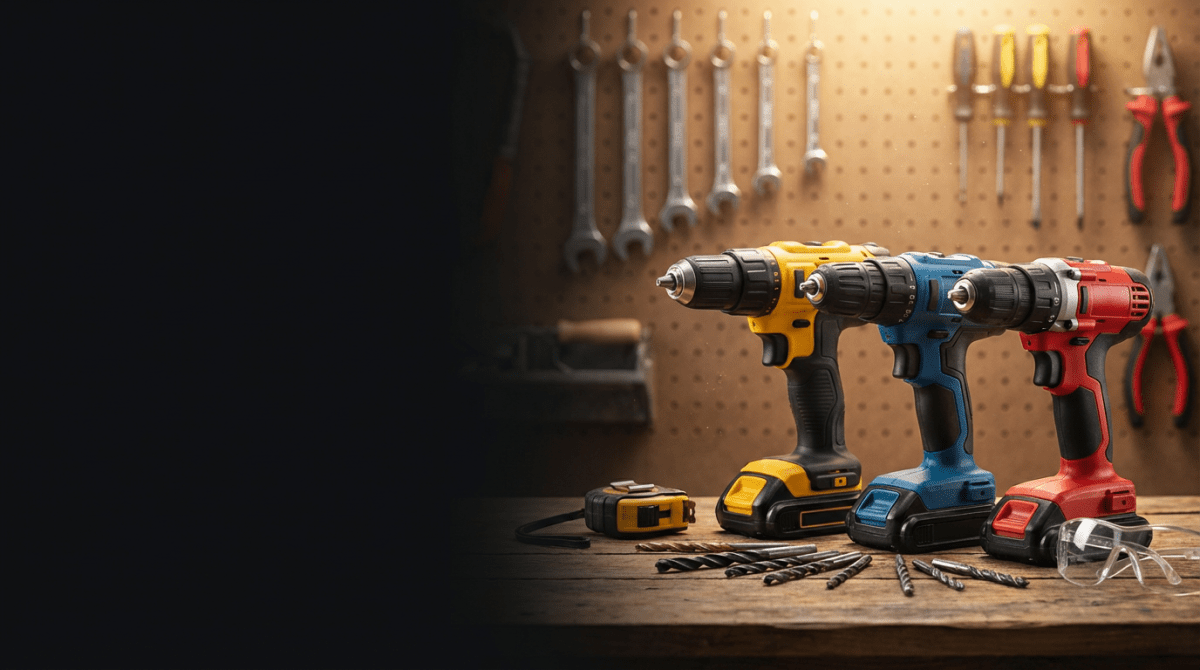
When trying to figure out which cordless drill is best for home repairs, you should keep an eye on a few key features. First up is battery life. You don’t want to be halfway through a project and have your drill die on you. Look for models with long-lasting batteries and fast charging options. This way, you can work on your repairs without interruptions.
Next, consider the drill’s power. The voltage can give you a good idea of how much muscle the drill has. A higher voltage usually means more torque, which is great for tougher jobs. If you plan on doing a mix of light and heavy tasks, aim for a drill with at least 18 volts. This makes sure you have the strength to handle various home repairs.
Another feature to think about is the speed settings. Many drills offer multiple speed settings, which can be super handy. A slow speed is perfect for driving screws, while a higher speed is great for drilling. Having this flexibility lets you tackle a range of tasks easily.
Also, check the weight and design. If you're going to use the drill for extended periods, you want it to feel comfortable in your hand. Lightweight models are usually easier to handle, which can save your wrist from fatigue. A good grip matters too; make sure it fits well in your hand for better control.
Lastly, look for added features like built-in lights or keyless chucks. A light can really help you see what you’re doing in tight spaces. A keyless chuck makes switching bits a breeze, so you don’t waste time fumbling around. With these features in mind, you'll have no trouble finding which cordless drill is best for home repairs.
Best Brands for Cordless Drills
When you’re trying to figure out which cordless drill is best for home repairs, the brand can make a huge difference. Some brands stand out for their reliability, performance, and features. Here are a few that consistently earn rave reviews.
DeWALT is a household name in power tools. Their cordless drills pack a punch with great battery life and torque. Users love the comfortable grip and balanced weight, making it easy to handle for extended projects. Plus, they have a range of models, so you can definitely find one that fits your needs.
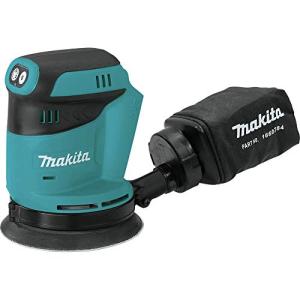
Makita also deserves a mention. Known for their quality and performance, Makita drills are lightweight without sacrificing power. Many homeowners appreciate their fast charging times and durability. If you're looking for something that can handle both light and heavy-duty tasks, a Makita might be the way to go.
Ryobi has built a solid reputation for offering great value. If you're on a budget but don't want to skimp on quality, Ryobi drills are a smart choice. They come with a lot of features that give you excellent bang for your buck, plus they’re part of a larger tool system, so you can easily expand your collection later.
Lastly, consider Milwaukee for their heavy-duty options. These drills are built to last and perform exceptionally well in tough conditions. When you want a tool that can take on any home repair challenge, Milwaukee won’t let you down.
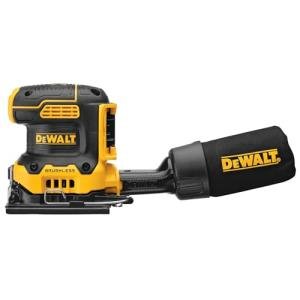
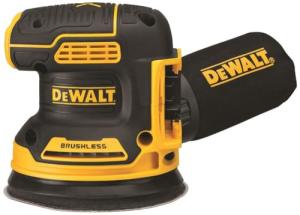
DEWALT 20V MAX XR Brushless Cordless Sander
Experience the power of cordless convenience with a smooth finish on every project
Product information
$179.00 $122.62
Product Review Score
4.59 out of 5 stars
31 reviewsProduct links
How to Pick the Right Battery
Picking the right battery is super important when you're trying to figure out which cordless drill is best for home repairs. Batteries influence how long you can work without needing to recharge. A good battery can seriously make or break your project.
First off, pay attention to the voltage. Most cordless drills range between 12V to 20V. If you’re just doing light tasks, like hanging pictures or assembling furniture, a 12V battery might be just what you need. But if you're tackling heavier jobs, like drilling into tougher materials or working on bigger projects, you'll want to go for a 18V or even a 20V option. More voltage usually means more power!
Next, look at battery life. You wouldn’t want your drill to die in the middle of a big project, right? Lithium-ion batteries are popular because they charge quickly and last a long time. Plus, they don’t lose their charge as fast when you’re not using them. Some brands even offer batteries with a quick charge feature, so you can get back to work in no time.
Lastly, consider how many batteries come with your drill. Having a spare battery can be a lifesaver, especially if you’re doing a lot of work. Imagine drilling away and suddenly, your battery runs out. If you’ve got a backup, just swap it out and keep going. This small detail can save you tons of time!
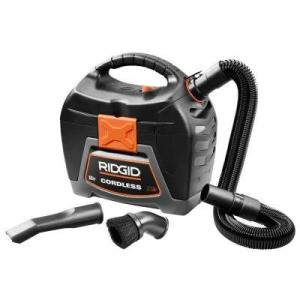
RIDGID 3 Gallon 18-Volt Cordless Handheld Shop Vacuum Wet Dry VAC Tool ONLY with Filter, EX
Product information
Product Review Score
4.37 out of 5 stars
221 reviewsProduct links
Tips for Using Your Drill Safely
Using your drill safely is super important, especially when tackling home repairs. A cordless drill is a great tool, but if you're not careful, things can go wrong pretty quickly. Here are some handy tips to keep in mind.
First off, always wear safety gear. This means goggles to protect your eyes from flying debris, and ear protection if you're drilling for a long time. You want to make sure you can hear what's going on around you, but that doesn’t mean you should neglect your ears.
Next, check your drill before using it. Make sure the battery is charged, and the drill bits are in good shape. Dull bits can cause slippage or even break, leading to accidents. If you’re wondering which cordless drill is best for home repairs, the one that comes with different bit sizes and types can really make a difference in your safety and efficiency.
Lastly, always keep your work area tidy. It’s easy to trip on cords or have tools scattered around. Clear any clutter before you start and make sure you're comfortable in your space. A focused, organized environment helps keep accidents at bay, letting you enjoy your DIY projects without a hitch.