Cordless tools can really change the game for your projects. They offer true freedom when you’re working. You don’t have to worry about tripping over cords or searching for outlets. Just grab your tool and go wherever you need to tackle those tasks.
Another big win with cordless tools is their portability. Whether you're in the garage, the backyard, or at a job site, you can take them anywhere. This makes them super handy for those DIY projects or when you need to move from room to room without any hassle.
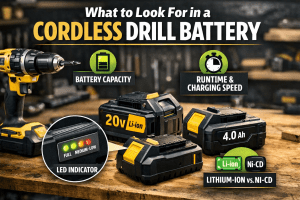
Battery technology has come a long way, too. Most cordless tools now have long-lasting batteries that charge quickly, giving you solid performance without interruption. That means less downtime and more time getting things done. When comparing cordless vs corded power tools pros and cons, you will definitely notice that convenience plays a huge role in the decision-making process.
And let’s not forget comfort! Cordless tools are often lighter and easier to handle, which means less strain on your arms and back. This can really matter during those long projects where you want to keep working without fatigue slowing you down.
Why Choose Corded Tools Over Cordless
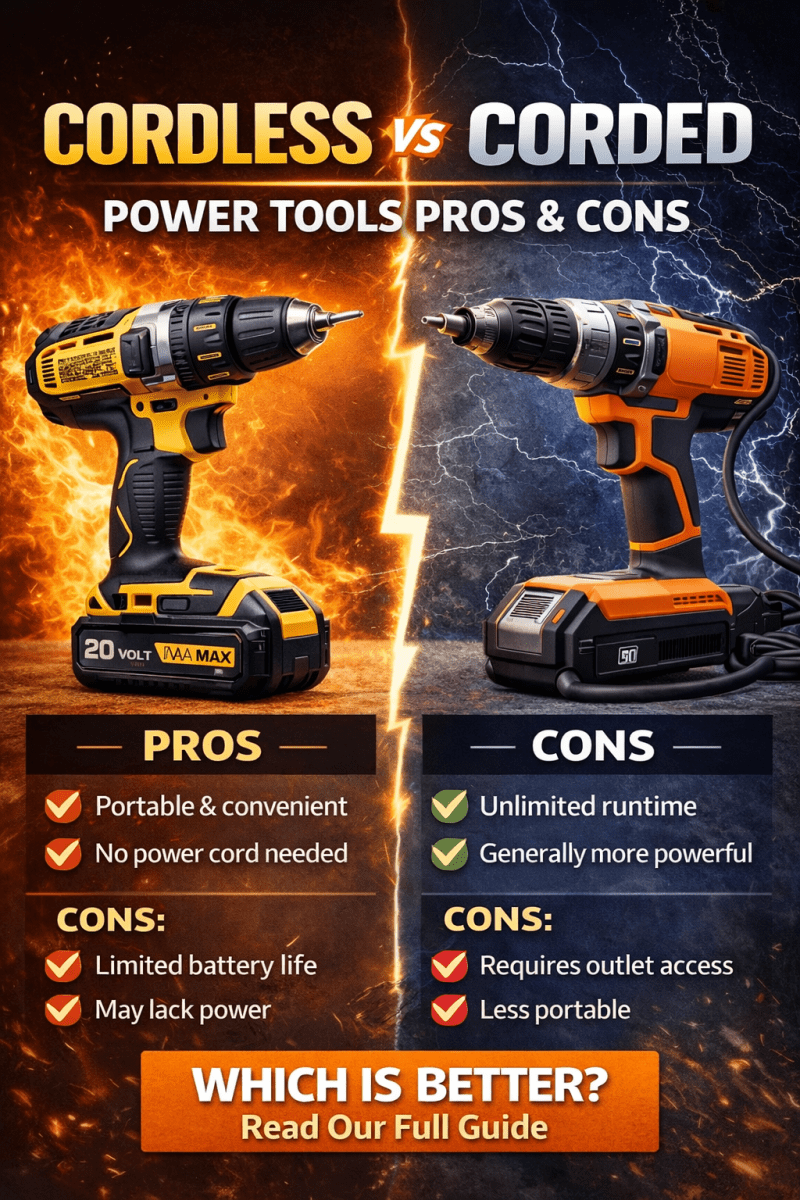
When diving into the cordless vs corded power tools pros and cons, it’s important to highlight the perks of going corded. First off, corded tools tend to pack more punch. They can deliver continuous power without the risk of running out of battery mid-project. This means you can tackle those tougher jobs without worrying about draining your battery, which is a big win for any serious DIYer or professional.
Another major advantage is the reliability of power. Corded tools have consistent, strong power, making them ideal for bigger jobs. Whether you’re drilling through concrete or powering a saw, you won't experience that dip in performance you sometimes get with cordless tools as the battery wanes.
Don’t forget about cost! Corded tools are often easier on your wallet compared to their cordless counterparts. Plus, they don’t require additional batteries or chargers, which can add up over time. If you’re on a budget or just starting out, choosing corded tools can be a smart move.
Let’s also consider maintenance. Corded tools are typically simpler and easier to repair. You won't have to deal with battery issues, and replacements generally cost less than a new battery or entire cordless tool. For many folks, sticking with corded options means saving time and hassle down the road.
Drawbacks of Cordless Power Tools Explained
Cordless power tools are super convenient, but they do have their downsides. One of the biggest drawbacks is battery life. While technology has come a long way, some tools still run out of juice faster than you’d like, especially during a big project. You might find yourself waiting for a battery to charge when you’re in the zone, which can really slow you down.
Another issue is power output. Cordless tools are getting better, but they're still not quite as powerful as their corded counterparts. If you're taking on heavy-duty tasks, a corded tool might get the job done quicker and with less effort. It’s all about what you need for your projects.
Weight can also be a factor. Some cordless models can be bulkier because they need to accommodate batteries. This extra weight might make prolonged use a bit tiring. If you're working on a long job, a corded tool can feel lighter and easier to handle.
Lastly, you can’t forget about the upfront cost. Cordless tools generally cost more because they come with batteries and chargers. If you’re just starting out or on a budget, you might want to weigh the cordless vs corded power tools pros and cons before making a decision. It all depends on your needs and how you plan to use them.
The Case Against Corded Power Tools
When it comes to cordless vs corded power tools pros and cons, corded tools may seem like a solid choice, but they can be pretty limiting. One big drawback is the cord itself. Cords can get in your way, whether you're working in tight spots or moving around a job site. You constantly have to be mindful of where that cord is, which can be frustrating.
Another issue is the dependency on power outlets. If you’re used to working outside or in large areas, finding an outlet can be a pain. You might find yourself dragging extension cords around, which can be a hassle. Plus, if you are working in a remote location, being tied to an outlet can halt your progress.
Then there’s the question of portability. Corded tools can be heavy and bulky, making them less convenient to transport. If you're hopping from one job site to another, lugging around a bunch of corded tools can wear you out quickly. Cordless tools, on the other hand, are built for ease of movement, which is super helpful, especially for DIY projects or professional work.
Don't forget about safety! Cords can pose trip hazards, especially in a busy area. They might not seem like a big deal, but a tangled or exposed cord can cause accidents. In contrast, cordless tools keep your workspace clear and safer to navigate. When weighing your options in the cordless vs corded power tools pros and cons debate, these points definitely tip the scale towards going cordless for many users.