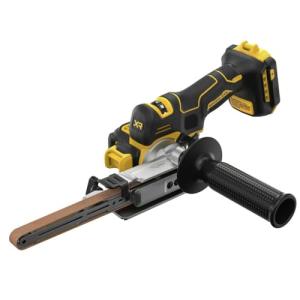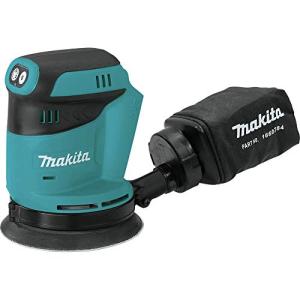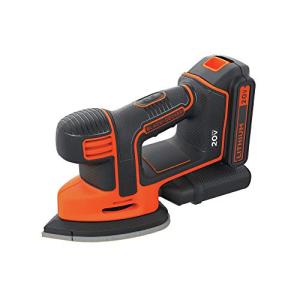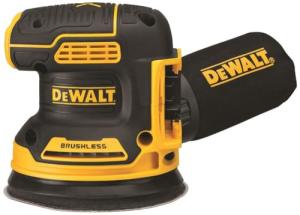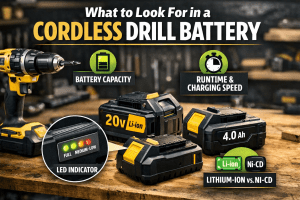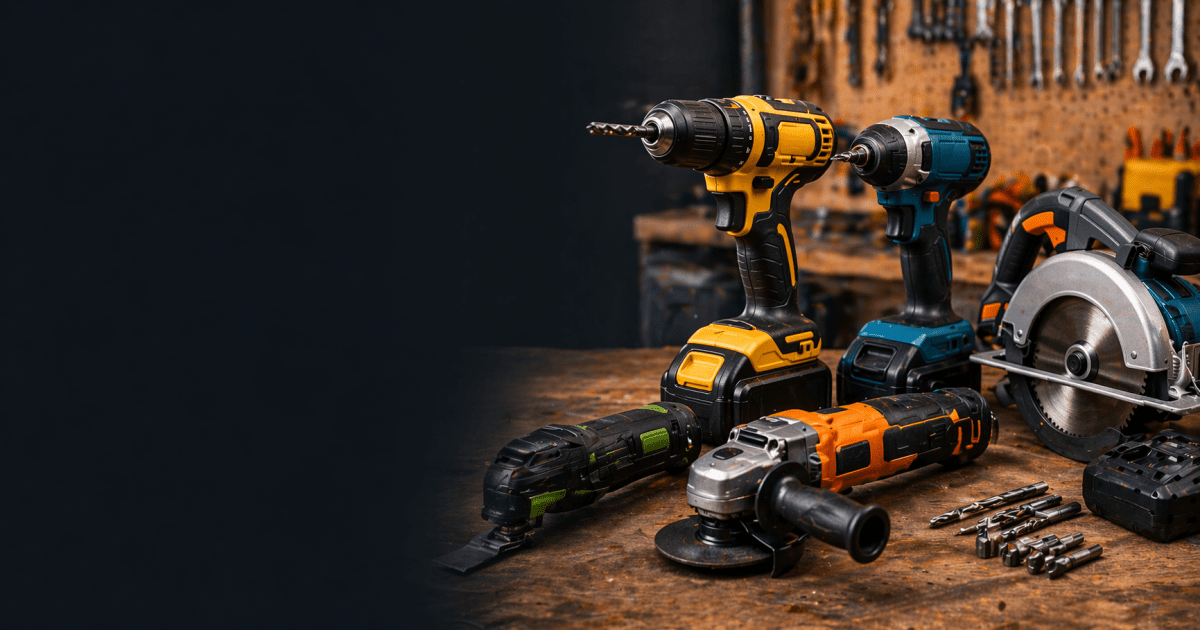
First off, pick a reliable set of cordless tools that fit your needs. Think about the projects you want to tackle. Are you doing some light home repairs? A cordless drill and a multi-tool might be all you need. For bigger jobs, consider adding a cordless saw or a impact wrench. Check their battery life and charging times since having tools that are ready to go when you are makes a huge difference.
Next, familiarize yourself with the tools. If you didn’t get a user manual, don’t fret. There’s a ton of helpful videos online. Watching someone else use them gives you a good idea of how to handle things without fear. Safety is key, so always wear protective gear. Don’t skip the safety glasses, gloves, and a mask if needed.
Finally, practice makes perfect. Start with small projects before jumping into anything big. Build a simple shelf or fix a loose cabinet. You’ll get comfortable with the weight and handling of your tools while gaining confidence. This beginner guide to cordless power tools is all about easing you in, so take your time.
Essential Tools for Your Projects
If you're diving into the world of cordless power tools, you might wonder where to start. This beginner guide to cordless power tools will help you discover the essential tools that can make any project easier and more enjoyable. Let’s break it down into a few key players you should consider adding to your toolkit.
1. Cordless Drill
Every DIYer needs a good cordless drill. It’s versatile and can handle anything from assembling furniture to drilling holes for shelves. Look for one that’s lightweight but powerful enough to get through tough materials.
2. Cordless Circular Saw
If you're planning to cut wood or laminate, a cordless circular saw will be your best friend. It’s portable and makes quick work of cutting those long pieces down to size. Plus, modern versions have safety features, so you can feel secure while you work.
3. Cordless Impact Driver
This tool is a game-changer for driving screws. It’s more powerful than a regular drill and helps prevent stripping screws. If you’re assembling furniture or doing heavy-duty projects, this is a must-have.
4. Cordless Reciprocating Saw
For demolition tasks or cutting through thicker materials, a cordless reciprocating saw is the way to go. It’s perfect for those projects where you need to break down materials quickly. Just make sure to have the right blades for the types of cuts you’ll be making!
With these essentials from your beginner guide to cordless power tools, you’ll be well-equipped for a variety of tasks. Choose tools that feel comfortable and suit your needs, and you’ll be building, fixing, and creating in no time!
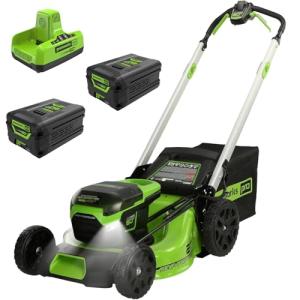
Greenworks 60V Self-Propelled Cordless Lawn Mower
Mow your lawn effortlessly with this powerful and easy-to-use cordless mower
Product information
$599.00
Product Review Score
4.57 out of 5 stars
169 reviewsProduct links
Choosing the Right Battery and Voltage
When diving into the world of cordless power tools, picking the right battery and voltage is crucial. It's a key part of this beginner guide to cordless power tools, and it can seriously make or break your experience. Let’s break it down into simple terms.
First off, consider the voltage. Higher voltage usually means more power and faster performance. If you're tackling heavy-duty jobs like cutting through thick wood or drilling into tough materials, you’ll want something with at least 18V. For lighter tasks, like assembling furniture or hanging pictures, a tool with 12V to 14V works just fine.
Next up is battery type. Most cordless tools run on lithium-ion batteries. These are great because they charge quickly and don’t lose power as they drain. You can work longer without the tool dying on you mid-project. Plus, check the amp-hour (Ah) rating on the battery. A higher Ah means your tool will run longer on a single charge. Aim for at least 2Ah for a good balance of power and runtime.
Lastly, think about battery compatibility. If you’re starting with just one tool, that’s great! But if you plan to build your collection, check if the batteries and chargers are interchangeable. Sticking with one brand can save you a lot of headaches down the road and keep your workspace organized.
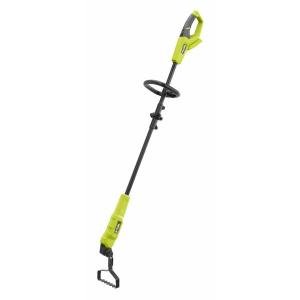
18V ONE+ Cordless Garden Hoe
Tackle your gardening tasks with ease and power using this lightweight, versatile tool
Product information
$149.00 $119.20
Product Review Score
4.94 out of 5 stars
26 reviewsProduct links
Tips for Safe and Effective Use
Using cordless power tools can be a game-changer for your projects, but safety should always come first. Here are some tips to help you get the most out of your tools while keeping yourself safe. This beginner guide to cordless power tools will walk you through the essentials.
First off, always read the user manual. It might seem boring, but understanding your tool's features and limitations is crucial. Each tool has specific guidelines that can save you from mishaps and ensure you're using it the right way. Familiarize yourself with how the tool operates before you start, especially if you're a newbie.
Next, don’t forget to wear appropriate safety gear. A good pair of safety glasses can protect your eyes from debris, while ear protection can shield your hearing from loud noises. When working with power tools, gloves can help keep your hands safe and improve your grip. Always dress for the job and keep your hair and loose clothing away from moving parts.
Keep your workspace organized. Clutter can lead to accidents, and it's easy to trip over items when you’re focused on the task at hand. Make sure your work area is well-lit and free of distractions. A tidy space allows you to concentrate on what you're doing, which is essential when you're getting started with new tools.
Lastly, know your limits. Don’t attempt to use a tool you’re uncomfortable with, and don’t rush through your projects. Take your time to understand how each tool works. Practicing on scrap materials can boost your confidence and skill. As you explore this beginner guide to cordless power tools, remember that patience and practice will make you a pro in no time!